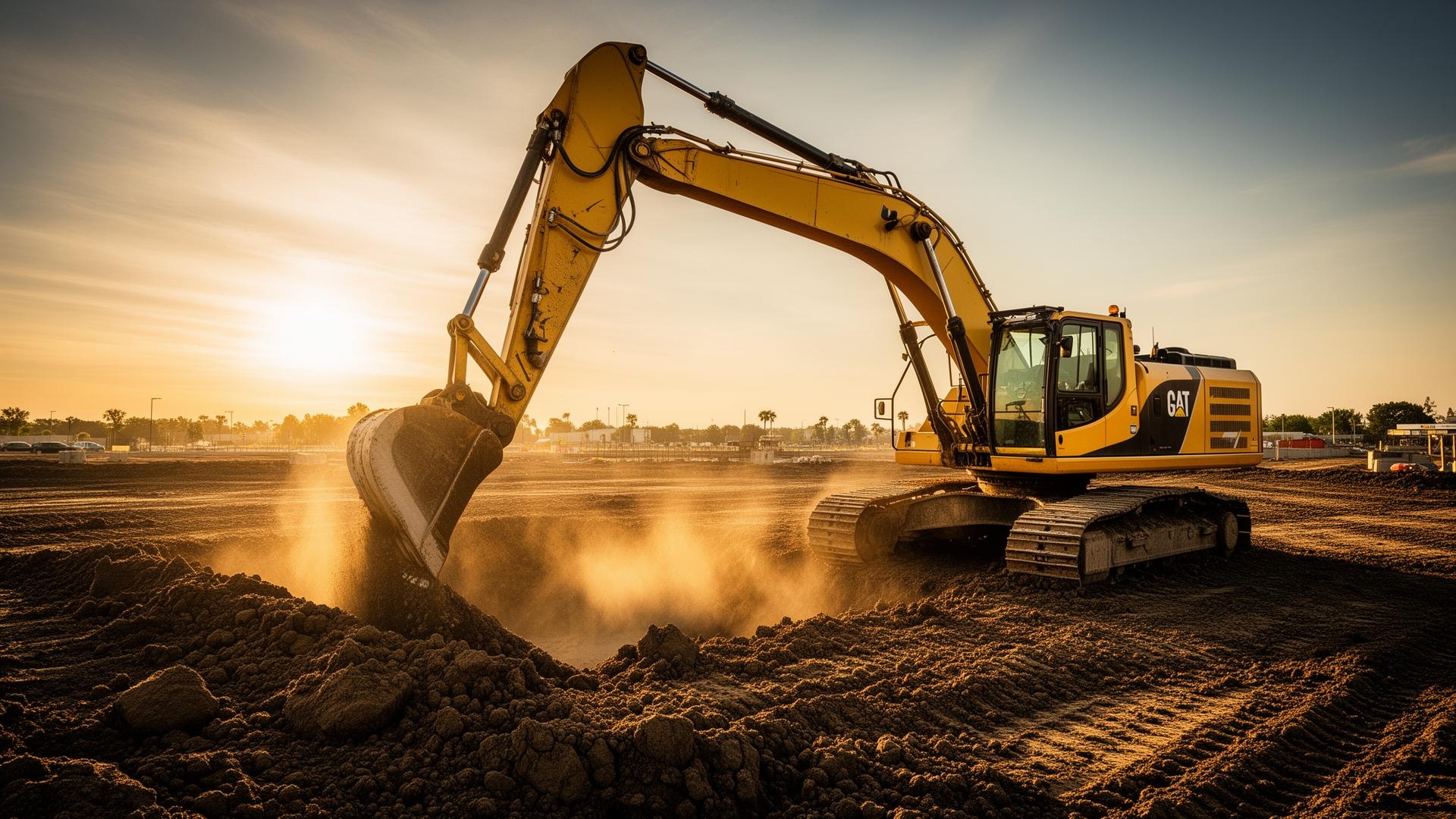
Driveways, concrete, and septic done on the right base
Driveway installation, concrete slabs and pads, and septic excavation across Cobleskill and Schoharie County — all built on properly graded, compacted ground.
Surface work fails when subgrade is ignored.
Driveways, concrete pads, and septic systems all share one thing: they live and die by what's under them. We approach each one as an excavation project first — strip, grade, base, compact — and finish with the surface or structure the build needs.
From rural driveways in Sharon Springs to slab pours in Cobleskill and septic digs across Schoharie County, the prep work is what we're proudest of. The finish just proves it held up.
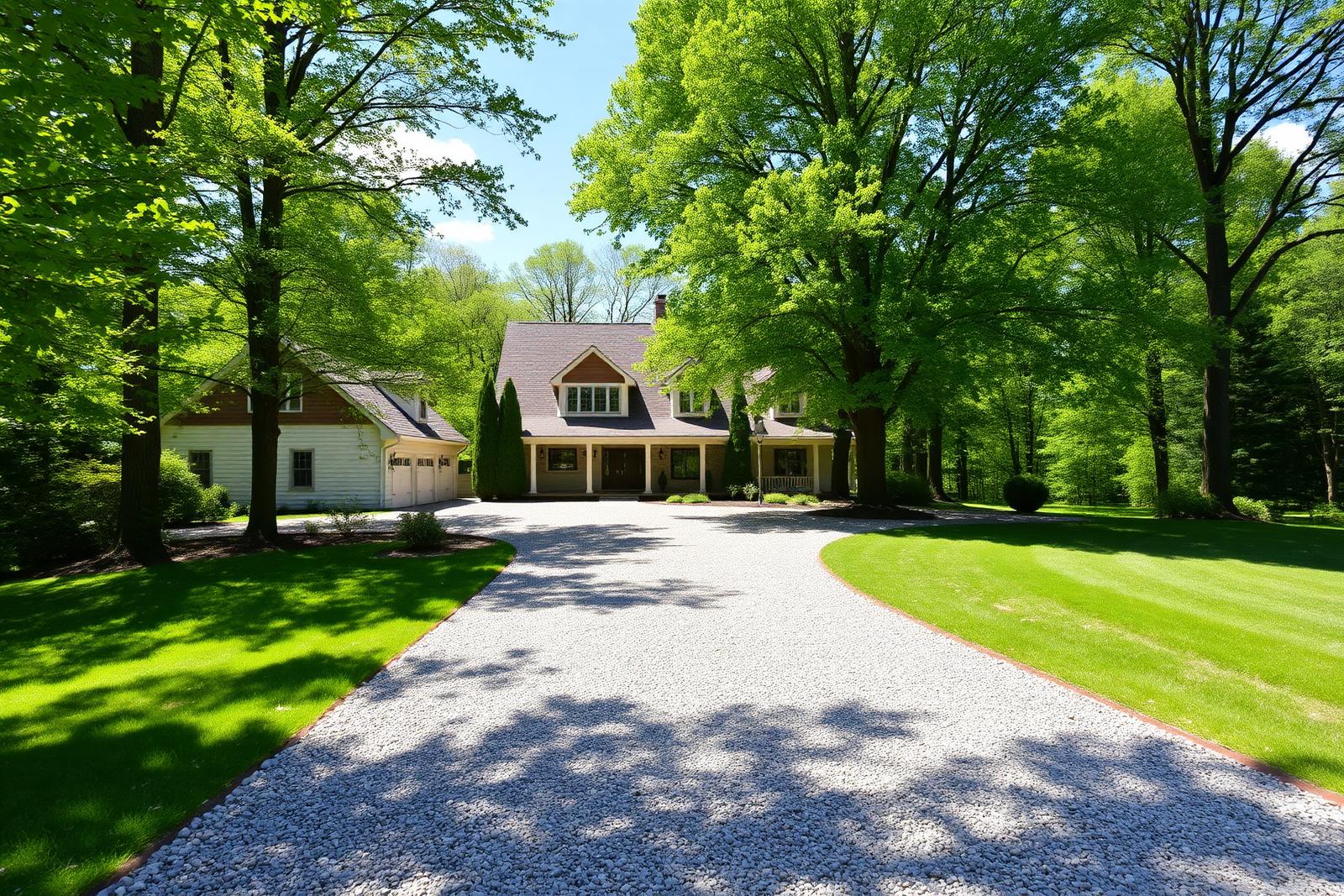
Driveways graded and compacted to last
We install new driveways and rebuild failed ones across the Cobleskill region. Whether it's a short residential drive or a long rural access road, the build starts with stripping organic material, shaping the subgrade, and laying base in proper lifts before the surface stone goes down.
- New gravel driveway installation
- Driveway rebuilds and re-grading
- Long rural access roads and lanes
- Crown and ditch work for drainage
- Culvert installation where needed
Slabs, pads, and footings on prepared ground.
Garage and shop slabs
Properly prepped, reinforced, and finished for daily equipment and vehicle use.
Footings and stem walls
Tied to the excavation and grade work so the structure starts true and level.
Equipment and shed pads
Sized and reinforced for the load, with drainage planned in from the start.
Walks and small flatwork
Practical concrete around buildings, entries, and access points.
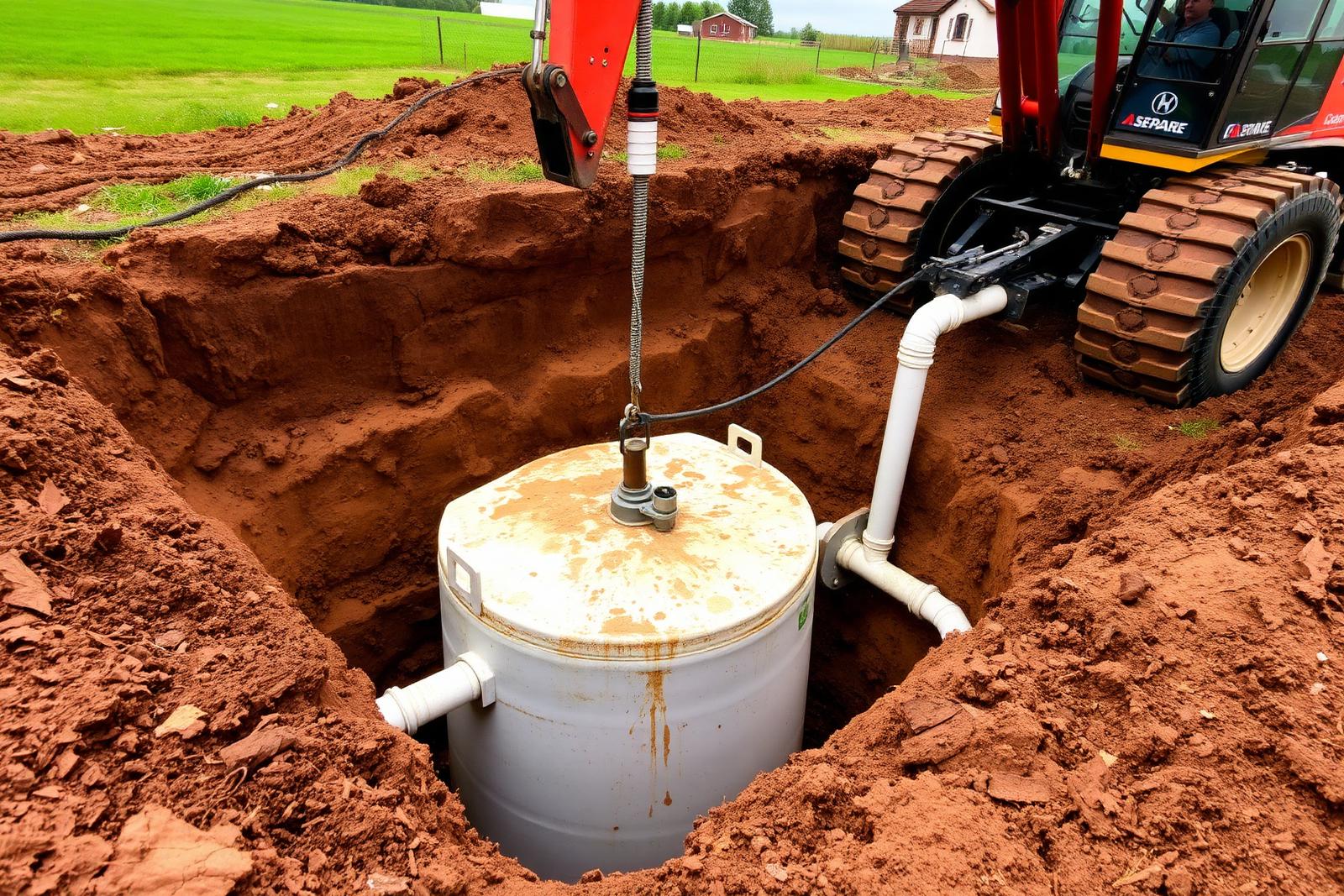
Septic digs that match the system design
Septic work is unforgiving. Wrong elevation, wrong depth, or sloppy backfill, and the system fights you for years. We excavate for the tank and the field exactly to the approved design, set the tank carefully, and backfill so the system performs the way it was engineered to.
- Tank excavation and set
- Leach field excavation per design
- Pipe runs and connection trenching
- Proper backfill and final grade
- Coordination with installers and inspectors
How a driveway, slab, or septic project actually runs
Driveways, concrete pads, and septic excavation each have their own steps, but they share a common spine: look at the site, plan the work, prep the subgrade properly, then install or pour. Here's how a typical project moves from the first call to a finished surface across the Cobleskill region.
- 01
On-site review
We walk the property — driveway path, slab footprint, or septic location — and look at slope, drainage, soil, and access. For septic work we review the approved system design before any digging.
- 02
Scope and estimate
You get a written estimate with the scope clearly broken out: stripping, base, drainage, surface, or for septic, tank, field, pipe runs, and backfill.
- 03
Schedule the work
We coordinate with weather, with you, and with any other trades involved — septic installers, plumbers, electricians, paving subs — so the work flows in the right order.
- 04
Strip, dig, prep
For driveways and slabs, we strip organics and shape the subgrade. For septic, we excavate to design depth and elevation. Either way, the prep is what determines how the finished product holds up.
- 05
Install and finish
Base material goes down in proper lifts and is compacted. Surface stone is placed and graded. Concrete is poured on a stable base. Septic tanks are set, fields are bedded and connected, and backfill is done correctly.
- 06
Final grade and clean-up
Drainage is checked, ditches and culverts are cleaned out where applicable, and the site is left clean. You're walked through what was done before we leave.
Real cost factors for driveway, concrete, and septic work
The honest answer on cost is "it depends on the site." A 200-foot rural driveway with a culvert install and ditch work isn't priced like a 40-foot residential drive on a flat lot. A 24x24 garage slab on good subgrade isn't priced like the same slab on a site that needs heavy fill and drainage. A standard septic dig isn't priced like one with rock or a high water table.
We give you a real estimate after looking at the property and review the line items so you know what you're paying for. Where there's a sensible way to keep the project affordable — reusing existing base, balancing material on-site, choosing a stone surface that matches the use — we'll say so.
Why we're a good fit for this work
- Same crew handles excavation, base prep, and finish — no finger-pointing.
- Drainage planned in from the start, not patched on after a wet season.
- Septic work done strictly to the approved design, with proper backfill.
- Concrete poured on prepped, compacted subgrade — not on whatever's there.
- Honest about scope and cost. No surprise change orders for foreseeable issues.
- Local to Cobleskill and Schoharie County, available 24/7 for urgent issues.
Driveway, concrete, and septic situations we handle
We work on these projects across Cobleskill, Schoharie, Middleburgh, Sharon Springs, Richmondville, Howes Cave, Esperance, Gallupville, Carlisle, Jefferson, Worcester, and the surrounding Schoharie County communities. If you're dealing with any of the situations on the right, call us at (631) 681-8526.
- Brand-new gravel driveway from the road in
- Rebuild of a rutted, soft, or washed-out existing driveway
- Long rural access road or shared lane install
- Culvert install or replacement at the road or across a swale
- Garage, shop, equipment, or shed slab on prepped subgrade
- Footings and stem walls tied into excavation work
- Septic tank and leach field excavation per approved design
- Replacement septic on an existing residential property
Common questions
How long does a new gravel driveway take to install?+
Most residential driveway installs take one to a few days depending on length, base condition, and drainage work. We strip topsoil, set proper grade, install a stable base, and finish with the surface stone the project calls for.
What goes into a properly built driveway?+
A driveway is only as good as what's under it. We focus on a solid subgrade, the right base material, proper crown for drainage, and compaction at every layer. Skipping any of that is what causes ruts, soft spots, and washouts down the road.
Do you handle the full septic excavation, including tank and field?+
Yes. We excavate for the tank and the leach field according to the approved system design, set the tank, and backfill correctly. We coordinate with the system installer and the inspecting authority so everything matches the plan.
Can you pour concrete pads, slabs, and footings?+
We provide concrete services tied to our excavation work — slabs, pads, footings, and structural concrete on properly prepared subgrade. Doing the dig, the prep, and the pour together avoids the gaps that cause problems later.
Can you rebuild or repair a failing driveway instead of starting over?+
Often, yes. If the base is salvageable we can regrade, rework drainage, add base material, and re-crown the surface to bring a tired driveway back without a full rebuild. If the base has failed completely, we'll be honest about that and walk you through a proper rebuild.
Do you install culverts and ditch work along driveways?+
Yes. Culverts at the road, side ditches along long rural driveways, and proper crown for shedding water are part of doing the job right in upstate New York. We size and place them based on the actual flow the site sees.
Driveway, slab, or septic project coming up?
Tell us what you're planning and we'll work through scope, base prep, and a clear estimate.